If you, or someone you know is in crisis - call or text 988 (24/7)|Crisis Text Line : Text HOME 741741

LOSS TEAMS
Hope and Support After Suicide Loss
When a suicide occurs, those left behind often face overwhelming grief, unanswered questions, and isolation.
LOSS Teams provide compassionate, immediate support from people who
understand and can help survivors take the first steps toward healing.

UNDERSTANDING LOSS TEAMS
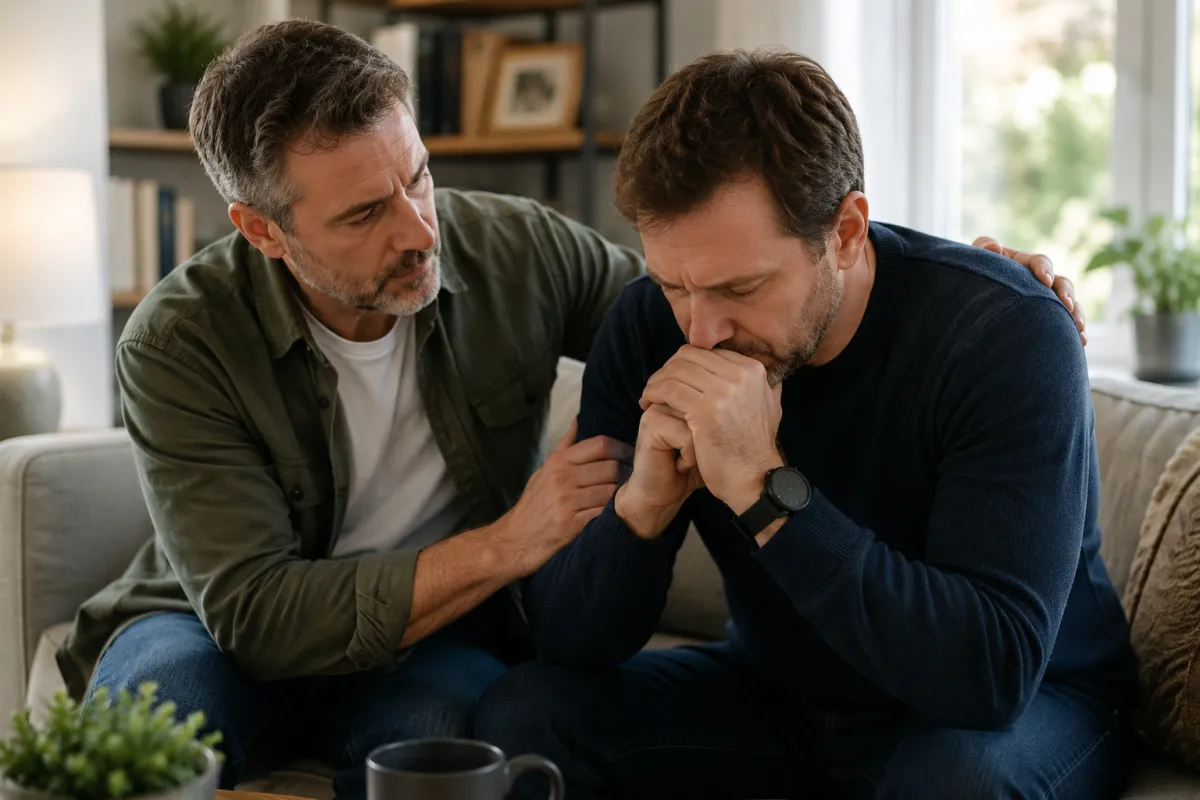
Support From People Who Understand
A LOSS Team - Local Outreach to Suicide Survivors - provides compassionate support and practical resources to individuals and families after a suicide loss.
LOSS Team members help survivors know they are not alone, connect them with helpful resources, and offer support from people who understand the unique journey of suicide loss.
HOW LOSS TEAMS HELP
Compassionate Support When it Matters Most
In the immediate aftermath of a suicide loss, families may feel overwhelmed and unsure where to turn.
LOSS Teams offer a compassionate bridge to support, resources, and hope.
01 — Immediate Support
Offering compassionate presence and practical guidance during the difficult hours or days following a suicide loss.
02 — Connection to Resources
Connecting individuals and families with grief support, community resources, and professional services when needed.
03 — Ongoing Hope
Helping survivors understand that they are not alone and that support and connection are available as they navigate the journey ahead.
No one should have to navigate suicide loss alone
WHO WE SUPPORT
Support For Those Left Behind
Suicide loss can affect families, friends, coworkers, classmates, and entire communities.
LOSS Teams help connect those impacted by a suicide death with compassionate support and resources.
01 — Individuals & Families
Compassionate support for family members and loved ones navigating the immediate aftermath of suicide loss.
02 — Friends & Loved Ones
Helping those who cared about the person who died find connection, understanding, and appropriate resources.
03 — Schools & Workplaces
Supporting communities affected by a suicide loss and helping connect people with appropriate postvention resources.
04 — Communities
Working alongside community partners to strengthen compassionate, coordinated support following a suicide death.
Loss touches many lives. Support should reach them too.
GET INVOLVED
Help Us Bring Support Closer to Home
Creating a compassionate response to suicide loss takes a community.
Whether you want to serve, partner with us, or support our work, there is a place for you.
01 — Join the LOSS Team
Learn how you can become part of a compassionate team supporting individuals and families after a suicide loss.
02 — Become a Community Partner
Partner with us to strengthen local postvention support and connect survivors with the resources they need.
03 — Support the Mission
Help us expand suicide loss support, education, and resources so that more families know they are not alone.
A MESSAGE OF HOPE
You Do Not Have to Navigate Loss Alone
The journey after a suicide loss can feel overwhelming, isolating, and difficult to understand. There is no single way to grieve and no timetable for healing.
Connection with people who understand can help make the journey feel less lonely. Through compassionate support, helpful resources, and community connection, our goal is to help survivors know that they do not have to navigate the road ahead alone.
You deserve support. You deserve compassion. And you do not have to carry your grief alone.

TAKE THE NEXT STEP
Together, We Can Bring Hope After Loss
Whether you are seeking support, interested in joining a LOSS Team, or want to help strengthen suicide postvention in our community, we invite you to connect with us
Compassion After Loss. Connection Through Grief. Hope for the journey ahead.
The Tatissa Zunguze Foundation
Building Communities of hope, connection, and support through suicide prevention, postvention, education partnership, and community outreach
P.O.Box 104, Largo, FL 33779
QUICK LINKS
Home
About Us
Our Work
Loss Teams
QPR Training
Get Involved
Donate
TAKE ACTION
Become a LOSS Team Volunteer
Partner With Us
Request QPR Training
Support Our Mission
Community Events
STAY CONNECTED


If you or someone you know is experiencing emotional distress or a suicidal crisis, CALL OR TEXT 988 to reach the 988 Suicide & Crisis Lifeline.
The Tatissa Zunguze Foundation is not a crisis response service and does not provide emergency or clinical mental health care. If there is an immediate life-threatening emergency, call 911 or go to the nearest emergency department.
© 2026 The Tatissa Zunguze Foundation. All Rights Reserved.
Privacy Policy
Terms of Use